
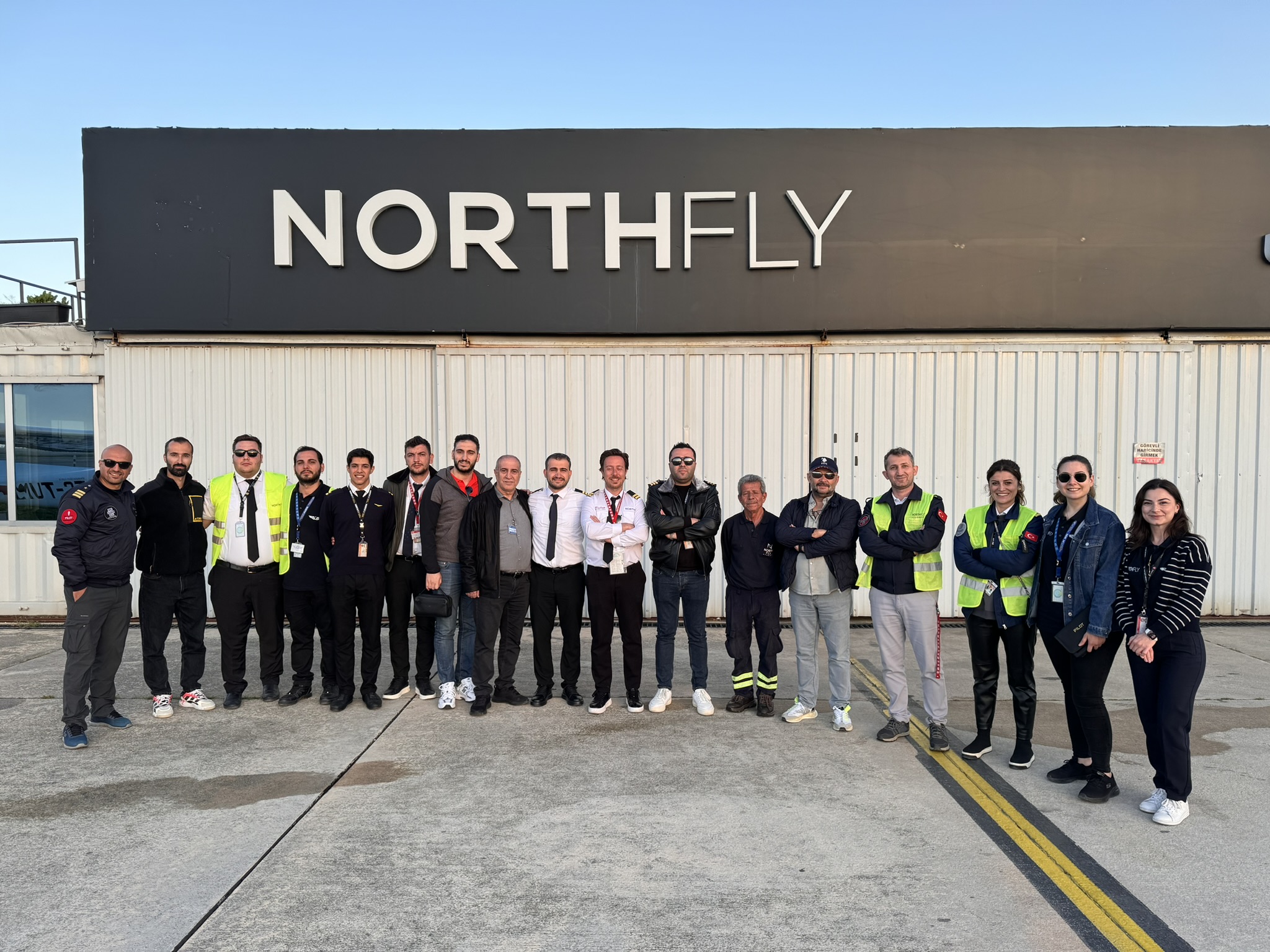
PPL Pilot Licence: Your First Real Step Into the World of Aviation
A PPL Pilot Licence, or Private Pilot Licence, gives aspiring aviators the foundation they need to fly light aircraft for personal and recreational purposes. It represents much more than passing a series of exams because the training develops practical flying skills, aviation knowledge, decision-making ability, and the confidence required to operate an aircraft safely.
For many people, becoming a pilot starts with a simple fascination with aviation. Watching aircraft take off, learning how flight works, or taking a first discovery flight can create the desire to sit in the cockpit. A Private Pilot Licence turns that interest into a structured learning journey and gives students their first genuine experience as qualified pilots.
What Can You Actually Do With a PPL Pilot Licence?
A Private Pilot Licence opens the door to a wide range of personal aviation experiences. Unlike a commercial pilot licence, a PPL does not normally allow you to fly passengers or cargo for payment. Instead, it focuses on private flying, personal travel, recreational aviation, and continued development as a pilot.
Once you complete the required training and receive your licence, you can generally fly an appropriate aircraft within the privileges and limitations of your licence. You can also carry passengers when you meet the applicable requirements and operate the aircraft according to aviation regulations.
Some of the activities associated with private pilot privileges include:
- Flying for personal recreation
- Taking friends or family members on flights
- Exploring different destinations by air
- Building flight experience for advanced licences
- Developing skills for additional aircraft ratings
- Joining aviation clubs and flying communities
- Continuing toward professional pilot training
One of the biggest advantages of a PPL involves the freedom it can provide. A short trip that might require several hours by road can become an enjoyable aviation experience, provided the route, aircraft, weather, airspace and operational requirements all support the flight.
However, a PPL comes with important limitations. A private pilot should never treat the licence as an unrestricted permission to fly anywhere under any conditions. The pilot remains responsible for planning, aircraft suitability, weather assessment, fuel requirements, airspace compliance and safe decision-making.
A PPL gives you the privilege to fly, but it also gives you responsibility for every decision you make before and during a flight.
PPL Training Beyond the Classroom: From Ground School to Your First Solo Flight
PPL training combines theoretical education with practical flight instruction. Students do not simply learn how to control an aircraft; they develop a broader understanding of aviation that helps them make safe and informed decisions.
Ground school normally introduces subjects such as:
- Principles of flight
- Aircraft systems
- Meteorology
- Navigation
- Air law
- Human performance
- Radio communication
- Flight planning
- Operational procedures
- Aircraft performance
These subjects may initially seem separate from practical flying, but they become closely connected once you start flying regularly. For example, understanding weather helps you decide whether a flight should continue, while navigation knowledge allows you to understand your position and plan an efficient route.
Flight training then transforms this knowledge into practical skills. Students learn how to perform basic manoeuvres, maintain aircraft control, communicate with air traffic services, manage checklists and respond appropriately to changing situations.
One of the most memorable moments in PPL training often comes with the first solo flight. The instructor remains responsible for assessing whether the student has developed sufficient competence before allowing solo operations. When that moment arrives, the student experiences a completely different level of responsibility because the instructor no longer occupies the cockpit seat.
The first solo flight can feel both exciting and intimidating. It represents the transition from simply following instructions to making decisions independently within the limits of the training programme.
How Long Does PPL Training Take?
There is no single timetable that applies to every student. Training duration depends on factors such as weather, aircraft availability, student progress, instructor availability, training frequency and the requirements of the relevant aviation authority.
Some students progress quickly because they fly several times each week. Others need more time because work, education, weather or personal commitments interrupt their training schedule.
Consistency usually matters more than trying to complete training as quickly as possible. Long gaps between flights can make students spend additional time reviewing skills they previously learned.
A practical training routine might include:
| Training Stage | Main Focus | Typical Student Goal |
|---|---|---|
| Ground School | Aviation theory and regulations | Build essential knowledge |
| Initial Flight Training | Aircraft control and procedures | Develop basic handling skills |
| Circuit Training | Takeoffs, landings and traffic patterns | Improve consistency |
| First Solo | Independent aircraft operation | Demonstrate basic solo competence |
| Navigation Training | Route planning and navigation | Build cross-country skills |
| Advanced Practice | Emergency procedures and decision-making | Increase confidence and safety |
| Skill Test Preparation | Practical and theoretical revision | Demonstrate licence-level competence |
The exact requirements and minimum training hours depend on the regulatory system under which the student trains. A reputable flight school should explain these requirements clearly before training begins.
Choosing the Right Flight School for PPL Training
The flight school you choose can have a significant effect on your training experience. Price matters, but it should never become the only factor in the decision.
Students should look beyond the advertised hourly aircraft rate and investigate the complete training structure. An apparently inexpensive programme can become more expensive if aircraft availability remains limited or if additional training costs appear later.
Before enrolling, consider:
- Aircraft fleet and maintenance standards
- Instructor experience
- Aircraft availability
- Training frequency
- Simulator facilities
- Ground school structure
- Examination support
- Airport operating environment
- Additional training charges
- Licence and examination fees
- Weather conditions at the training location
Ask the school for a realistic estimate of the total training cost rather than focusing only on the aircraft rental price.
A good flight school should also encourage students to ask questions. Transparent communication can prevent misunderstandings about scheduling, examinations, medical requirements and additional expenses.
The Importance of Medical Fitness
Aviation places specific demands on a pilot’s physical and mental condition. Before investing heavily in training, prospective students should understand the applicable medical certification requirements.
Aviation medical assessments can consider factors such as vision, hearing, general health and other conditions relevant to safe flight operations. The exact medical certificate required depends on the licensing authority and the type of flying the student intends to pursue.
Getting the appropriate medical assessment early can therefore make practical sense. It allows students to identify potential issues before committing substantial time and money to flight training.
Navigation Skills: More Than Reading a Map
Navigation represents one of the most important elements of private pilot training. Modern aircraft may offer advanced GPS equipment and electronic flight bags, but pilots still need to understand fundamental navigation principles.
A responsible pilot should know how to determine position, track a route, calculate estimated time en route and understand the effects of wind.
Electronic technology provides valuable assistance, but it should not replace fundamental knowledge. Equipment can fail, batteries can run out and information can become unavailable.
A pilot should always understand the route well enough to continue making safe decisions if a digital navigation tool stops working.
Weather Awareness and Decision-Making
Weather can transform an enjoyable flight into a challenging situation. PPL students therefore spend considerable time learning how atmospheric conditions affect aircraft performance and flight safety.
Cloud, visibility, wind, temperature, turbulence, precipitation and thunderstorms can all influence a flight. More importantly, pilots must learn how to interpret weather information before deciding whether to depart.
This introduces one of the most important lessons in aviation: sometimes the best decision involves staying on the ground.
New pilots may feel pressure to complete a planned trip, particularly when passengers expect to fly. Experienced pilots understand that changing or cancelling a flight because of unsuitable conditions represents responsible decision-making rather than failure.
Building Confidence Without Becoming Overconfident
Confidence plays an important role in pilot development. A student needs enough confidence to operate the aircraft and make decisions, but excessive confidence can create unnecessary risk.
PPL training gradually introduces more complex situations so students can develop confidence through experience. Every successful flight should increase competence rather than simply encourage a feeling of invincibility.
A useful mindset involves asking questions such as:
- Do I understand the weather?
- Is the aircraft suitable for this flight?
- Do I have enough fuel?
- Do I understand the route?
- What alternatives do I have?
- What could change during the flight?
- What will I do if the original plan no longer works?
This approach encourages structured decision-making instead of relying on instinct alone.
Expert Tip: Think Like a Pilot Before You Fly Like One
One of the most valuable habits a new pilot can develop involves preparing mentally before entering the cockpit.
Review the route, weather, aircraft information and operational requirements before the flight. When you arrive at the aircraft, you should already have a clear understanding of what you intend to accomplish.
During training, avoid focusing exclusively on passing the next flight exercise. Instead, try to understand why your instructor asks you to perform each task.
The strongest pilots do not simply memorise procedures; they understand the reasons behind them.
This approach becomes increasingly valuable as flight operations become more complex.
Common Mistakes New PPL Students Should Avoid
New students naturally make mistakes during training, but certain habits can slow progress or create unnecessary problems.
One common mistake involves comparing training progress with other students. Every learner develops at a different pace, and someone else’s number of flight hours does not determine your own ability.
Another mistake involves focusing too heavily on aircraft control while ignoring planning and decision-making. Flying requires much more than moving the controls correctly.
Other common mistakes include:
- Skipping preparation before a lesson
- Arriving without reviewing previous exercises
- Ignoring weather trends
- Depending entirely on GPS
- Trying to rush through training
- Avoiding questions because of embarrassment
- Treating checklists as optional
- Underestimating the importance of communication
- Choosing a school based only on the lowest price
The solution usually involves preparation, consistency and communication with instructors.
What Happens After You Earn Your PPL?
Receiving a PPL does not mean the learning process ends. In many ways, it marks the beginning of a much broader aviation journey.
Some private pilots continue flying recreationally and gradually build experience. Others decide to pursue additional ratings or licences.
Possible future directions can include:
- Instrument flight training
- Additional aircraft ratings
- Night flying qualifications where applicable
- Commercial pilot training
- Airline-focused pilot programmes
- Advanced navigation experience
- Flight instructor training
- Aviation club and community flying
For someone who eventually wants to become a professional pilot, the PPL can provide an important foundation. It introduces cockpit discipline, radio communication, navigation, flight planning and the practical realities of aviation.
A PPL should always be approached as a serious aviation qualification rather than simply an expensive hobby experience. Regulations differ between countries, so students should follow the requirements of the aviation authority responsible for their licence.
It also helps to maintain realistic expectations about cost and training time. Aircraft rental, instructor fees, examinations, medical certification, equipment and other expenses can all contribute to the final budget.
Always confirm the current licensing requirements directly with your flight school and the relevant aviation authority before starting your training.
Is a PPL Right for You?
A Private Pilot Licence can suit people who want to experience aviation without immediately pursuing an airline career. It can also serve as the first stage for students who eventually want to become commercial or airline pilots.
The right candidate does not need to know everything about aviation before starting. Curiosity, discipline, patience and a willingness to learn matter much more.
You should also enjoy the responsibility that comes with aviation. Flying involves planning, rules, communication, risk assessment and continuous learning.
If you approach training with the right mindset, every lesson becomes more than another step toward a licence. It becomes an opportunity to develop skills that can remain valuable throughout your aviation career.
Bizi instagramdan takip edin: northfly
FAQs
A PPL, or Private Pilot Licence, allows a qualified pilot to operate eligible aircraft for private and recreational purposes within the limitations of the licence and applicable aviation regulations. It does not normally allow the pilot to conduct commercial passenger or cargo operations for payment.
Yes, a private pilot can generally carry passengers when the applicable licensing, aircraft, operational and regulatory requirements allow it. The pilot remains responsible for operating the flight safely and complying with all relevant limitations.
Yes. Many professional pilot pathways begin with private pilot training. However, a PPL alone does not qualify someone to work as an airline pilot; additional training, flight experience, ratings, examinations and professional licences are required.
PPL training requires commitment, concentration and regular practice, but students do not need to enter the programme as aviation experts. A structured training schedule, consistent flying, effective study habits and good communication with instructors can make the learning process much more manageable.